
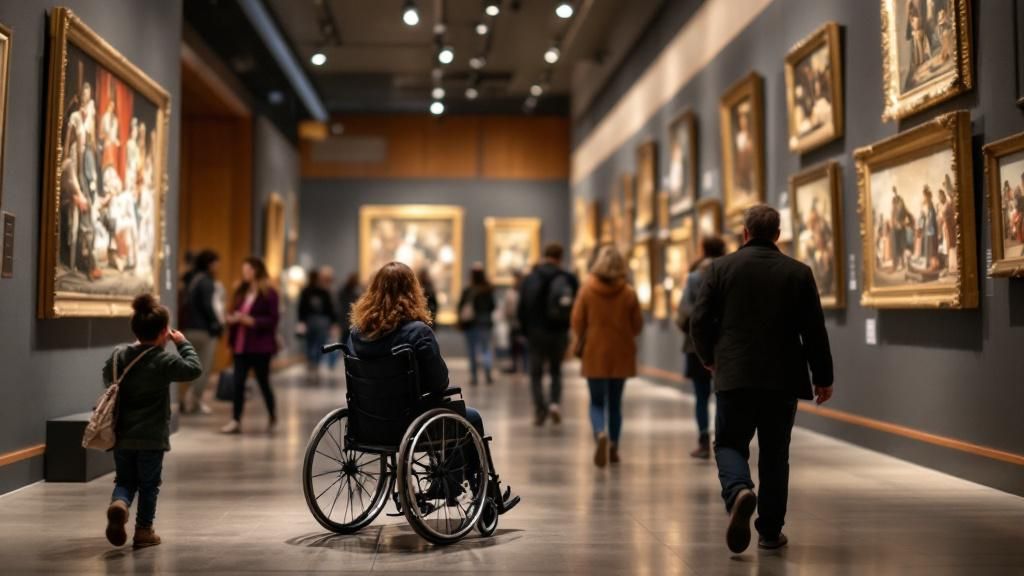
Britain’s major museums are launching a transformative accessibility overhaul, recognising that cultural assets should be available to everyone, irrespective of physical or sensory disabilities. From better wheelchair provision and sensory-friendly exhibitions to innovative digital programmes, these establishments are breaking down longstanding barriers that have historically excluded disabled visitors. This article examines the transformative programmes transforming the museum sector, explores the organisations driving this crucial transformation, and assesses how these efforts are reshaping what accessible cultural engagement actually signify for audiences across the UK.
Accessibility Enhancements Throughout Key Organisations
Major museums across the United Kingdom have undertaken extensive renovations to enhance physical access for visitors with disabilities. The British Museum, V&A Museum, and the National Gallery have invested significantly in adding ramps, lifts, and accessible facilities across their galleries. These improvements go further than basic wheelchair access, including wider corridors, accessible toilets with changing facilities, and designated rest areas carefully located throughout gallery spaces. Such infrastructure enhancements demonstrate a genuine commitment to guaranteeing that disabled visitors can navigate museums independently and comfortably whilst viewing collections without unnecessary barriers.
Beyond structural changes, institutions have focused on accessible parking arrangements and improved wayfinding systems designed specifically for visitors with movement difficulties. Many museums now offer step-free access that eliminate stair access, allowing visitors to view entire collections without meeting hindrances. Staff development initiatives have been introduced to support disabled guests effectively, whilst adapted seating arrangements has been placed throughout galleries. These coordinated efforts reflect a major transformation in institutional approach, acknowledging that physical accessibility is crucial for developing truly welcoming venues where all visitors can participate fully with the UK’s significant historical collections.
Technological Advancement and Online Accessibility
British museums are leveraging modern technological solutions to expand access to their holdings, understanding that digital platforms can connect with disabled visitors who may face physical barriers to attending in person. immersive digital environments, high-resolution online collections, and interactive digital exhibitions now enable individuals with mobility impairments, vision disabilities, and other disabilities to discover cultural treasures from home. These initiatives complement on-site access enhancements, confirming that digital innovation serves as a true facilitator rather than a optional extra.
Major institutions have invested significantly in accessible website design, implementing features such as adjustable text sizes, descriptive audio, and keyboard-based navigation systems. Museums are also creating tailored digital applications and digital guides purpose-built for deaf and hard of hearing visitors, offering comprehensive captions and sign language support. By emphasising inclusive design principles, British museums are positioning themselves as leaders in accessible heritage experiences, demonstrating that innovation can meaningfully enhance engagement across all audiences.
Dedicated Programmes and Support Services
British museums are creating bespoke programmes purposefully crafted to meet the different needs of people with accessibility needs. These offerings feature tailored sensory activities featuring smaller group sizes, adjusted lighting levels, and lower noise environments for those with autism or sensory processing difficulties. Museums are also employing specialist staff trained in accessibility understanding and inclusive design standards. Many institutions now offer personalised tour guides who adjust their commentary to cater to different ways of communicating and cognitive requirements, ensuring every guest receives genuine connection with collections.
Assistance programmes have expanded considerably, with museums providing accessible facilities including accessible toilets, quiet zones, and dedicated peaceful areas for visitors needing breaks. Guide dogs are welcomed throughout galleries, and team members receive comprehensive training to assist guests with movement difficulties, visual or hearing loss, and learning disabilities. Museums collaborate closely with accessibility groups to develop programmes based on authentic visitor input. Pre-visit booking options allow visitors to organise extra assistance, whilst staff availability ensures tailored support throughout visits, fundamentally transforming the museum experience for disabled individuals.
Looking ahead, British museums remain focused on sustained progress, channelling resources into innovative digital tools and accessible design improvements. Regular consultation with disabled communities ensures initiatives stay relevant and impactful. These detailed specialist offerings demonstrate that accessibility transcends physical modifications, encompassing considerate, individual-focused assistance that genuinely welcome all visitors into Britain’s cultural institutions.
